
Maritime HR & Crew Management Summit Asia 2026: 5 Priorities for Ship Managers
In brief: The Maritime HR & Crew Management Summit Asia 2026 takes place in Singapore on 9–10 September. For ship managers and crewing teams, the agenda points to five immediate priorities: workforce planning, skills for automation and alternative fuels, seafarer welfare, resilient crew logistics, and stronger governance.
Singapore will host the Maritime HR & Crew Management Summit Asia 2026 on 9–10 September 2026. The timing is significant. Shipping companies are managing fleet transition, new technology, geopolitical disruption and rising expectations around seafarer protection at the same time.
Hui Long Enterprise’s blog data shows that practical Singapore maritime outlooks attract the strongest reach. Our Tuas Mega Port article now has 155 views and 90.4% average scroll depth, while the recent autonomous feeder vessel post has reached 21 views with 100% scroll depth and an average reading time of more than one minute. This guide follows that pattern by connecting a timely industry event to decisions crew managers can act on.
What should ship managers watch at the 2026 summit?
1. Workforce risk is becoming an operational risk
Crew availability is no longer only an HR issue. A shortage of qualified personnel can affect vessel schedules, fatigue exposure, compliance and the ability to introduce new systems safely. The summit programme places workforce resilience alongside governance and long-term operational continuity, reflecting how closely crewing decisions now sit with business risk.
For managers, the practical response is to map critical roles, expected retirements, relief availability and recruitment bottlenecks by vessel type. The aim is not simply to increase headcount. It is to know where one delayed visa, medical clearance or flight connection could create a wider operational problem.
2. Training must keep pace with automation and new fuels
Automation, artificial intelligence and lower-emission vessels will change what crews need to know. Training plans therefore need to move beyond mandatory certificates and address the actual equipment, fuel systems and decision environments crew will face.
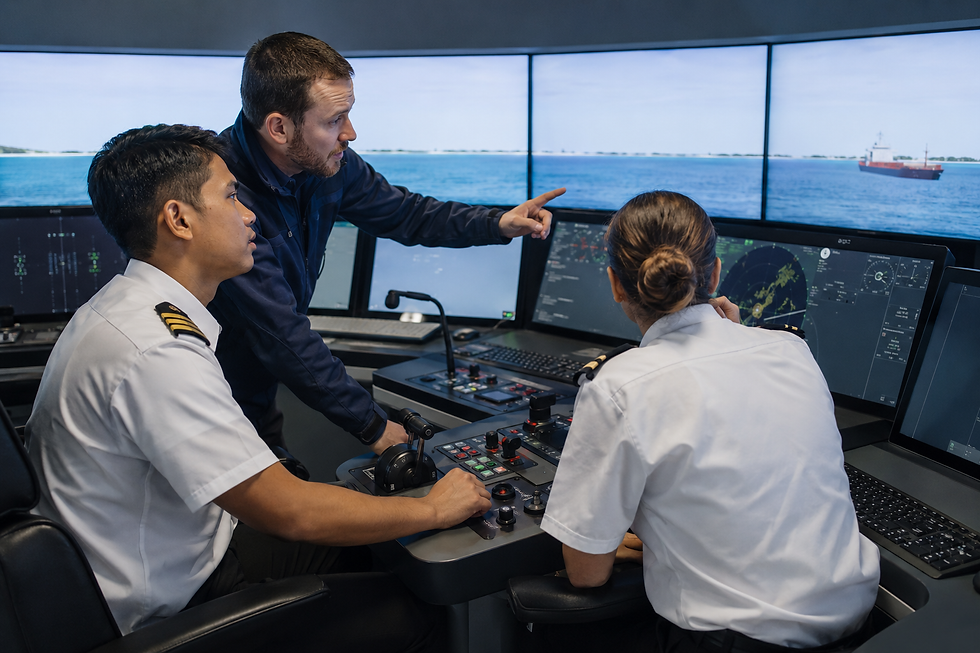
The industry has already recognised the scale of this transition. An industry action plan supported by maritime organisations estimated that as many as 800,000 seafarers could require additional training by the mid-2030s under the modelled decarbonisation scenarios. Companies should identify role-specific gaps early, combine classroom learning with simulation and onboard practice, and record competency rather than attendance alone.
3. Welfare is part of retention, not an extra benefit
The International Chamber of Shipping’s 2026 seafarer statement calls for stronger protection of the Maritime Labour Convention, positive shipboard cultures, fair treatment and secure crew mobility. The International Labour Organization also treats access to shore facilities and shore leave as important to seafarer health and welfare.
For crew managers, welfare becomes visible in everyday logistics: realistic connection times, clear updates, reliable transport, a safe place to wait, access to meals and rest, and rapid support when plans change. These details shape whether a crew member begins or ends a contract feeling respected.
4. Crew movement plans need built-in resilience

Singapore crew changes can involve airport arrivals, immigration processes, port reporting points, launches, hotels or holding areas, often across tight windows. The MPA crew change guidance confirms that applications are managed through the ICA Crew System via DigitalPort@SG. Shore-side coordination still determines how smoothly the approved movement happens.
A resilient plan should include:
Confirmed flight, vessel and reporting details shared with all parties
Time buffers for immigration, baggage delays and launch schedules
A named coordination contact for last-minute changes
A suitable rest location when connections do not align
A backup vehicle or revised routing plan for urgent movements
For a practical overview, see What does it take to do a crew change in Singapore? and our Marina South Pier Transfer Guide.
5. Governance should connect policy with execution
Good workforce governance is not a document that sits apart from operations. Responsibilities for recruitment, training, travel, welfare, incident escalation and vendor oversight need clear owners and records. When disruption occurs, teams should know who can approve a new flight, extend accommodation, arrange medical support or change a transfer route.
The most useful post-summit exercise is a short gap review: which workforce risks were discussed, which already affect your fleet, who owns each issue, and what can be improved within the next 90 days?
What does this mean for crew operations in Singapore?
The central message is simple: technology may change ships, but reliable maritime operations still depend on trained people and well-managed crew journeys. Companies that connect workforce strategy with practical shore support will be better placed to protect schedules, retain seafarers and manage transition risk.
Hui Long Enterprise supports marine crew transport, seafarer transfers, port and airport movements, short-notice coordination and marine lounge arrangements in Singapore.


Comments